
Planning
Privacy at Events: Keeping Attendee Photo Sharing Consent-First
Consent-first event photo privacy means people choose what they upload and who sees it, with public, group-only, and organizer-only visibility enforced for every shot.
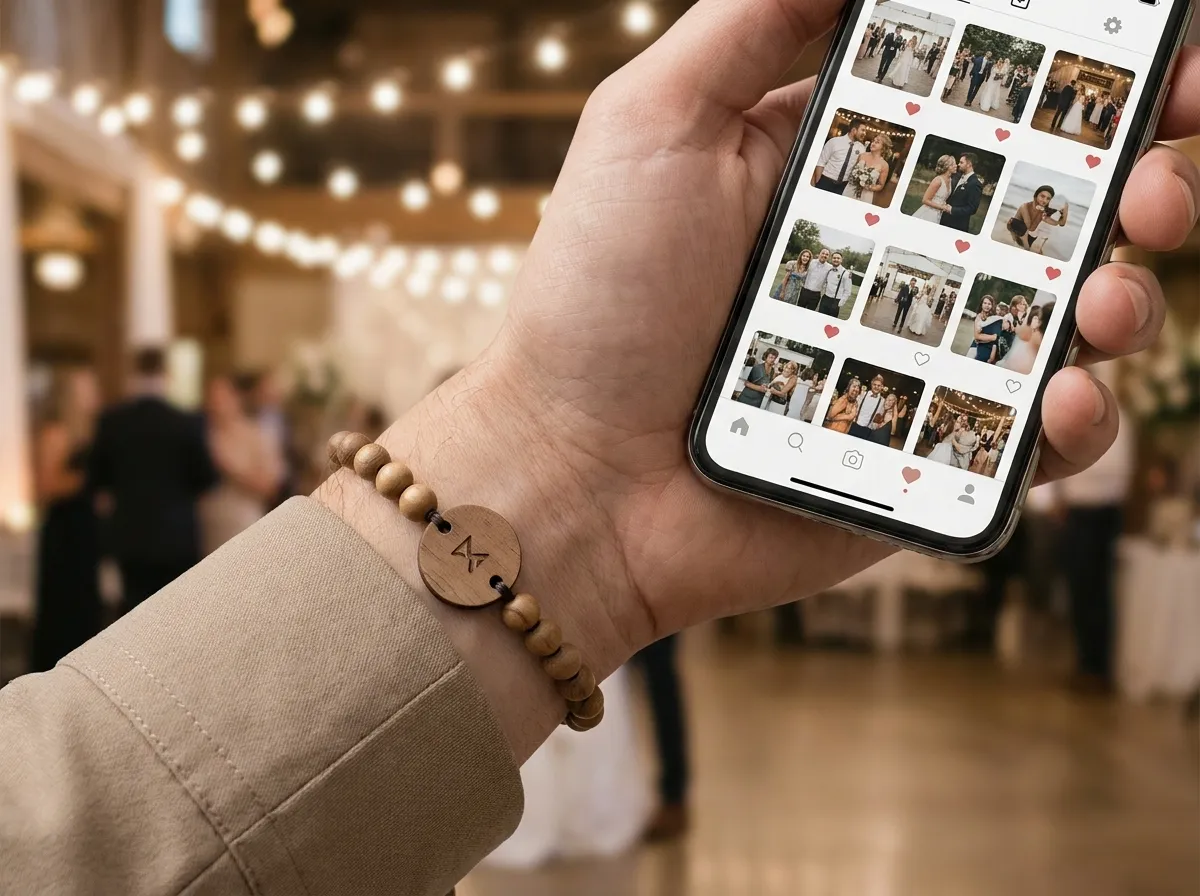
Consent-first event photo privacy means the people in your photos decide what gets uploaded and who can see it, instead of every candid shot defaulting to a public feed. In practice that comes down to two things: attendees only share from their own phone, on their own terms, and every photo carries a visibility setting (public, group-only, or organizer-only) that the system actually enforces rather than just promising.
That distinction matters more every year. Guests are far more aware of where their face ends up, and “we’ll post everything to the wall” is no longer a safe assumption to make on their behalf. The good news is that a consent-first setup is also a better-photo setup: when people trust how their pictures are handled, they share more, not less.
What does consent-first event photo sharing actually mean?
It means the default is “you choose,” not “we collect everything.” A genuinely consent-first flow has a few non-negotiables:
- People opt in by their own action. Nobody’s photos appear in a shared album because a camera was pointed at them. They appear because that person chose to upload them.
- Visibility is set per photo, not per event. A guest can share a stage shot publicly and keep a candid table photo to themselves or their group.
- The setting is enforced server-side. Saying a photo is “organizer-only” has to mean the public feed never serves it — not that it’s merely hidden in the interface.
- The organizer is a clear owner, not an invisible third party. Attendees know one named host keeps the album, exports it, and is accountable for it.
The opposite of this is the all-too-common shared hashtag or open upload wall, where one person’s blurry, unflattering, or simply private moment lands in front of the whole event with no way to claw it back.
How do tap-to-share bands keep photo sharing private by default?
A tap-to-share band is private by design because the upload always happens on the attendee’s own phone. Each guest gets an engraved bead band with a hidden tap chip (and a printed QR code as a fallback). They tap it, their personal upload page opens and greets them by name, and they pick which photos to add — and how visible each one should be.
Because nothing uploads without that deliberate tap-and-choose, there’s no passive capture and no surprise feed. Every photo then flows into one live shared album the organizer keeps, with each image tagged public, group-only, or organizer-only.
Consent isn’t a checkbox you bury in a sign-in form. It’s the difference between a guest pressing “share” and a system deciding for them.
Three practical visibility levels cover almost every real situation:
- Public — visible in the public album and public live wall; confirm permission separately before recap or sponsor reuse.
- Group-only — visible to a defined group (a team, a table, a cohort) but not the whole event.
- Organizer-only — handed privately to the host for things like accessibility needs, prize verification, or sensitive VIP moments.
This works the same whether you’re running a 5,000-person festival or a small executive dinner. If you want to see how it plays out by event type, the use-cases pages walk through conferences and galas and fundraisers, where privacy expectations run especially high.
What should organizers put in their photo consent policy?
Keep it short, plain, and visible before the event — on the registration page, the event app, or a printed card in the welcome kit. A workable policy answers four questions in language a tired attendee can read in ten seconds:
- Who collects the photos? Name the organizer or company that owns the album.
- What are the photos used for? Recap content, internal records, sponsor reporting — say it plainly.
- How does someone control their own photos? Explain the per-photo visibility options and how to keep a shot private.
- How does someone remove a photo or opt out entirely? Give a real contact and a real process.
If your event touches regions with strict data rules, treat this as a baseline rather than legal advice — loop in your own counsel for anything regulated. But the structure above is what most attendees actually care about: clear ownership, clear purpose, and a clear off-ramp. For the common questions guests and clients ask, the FAQ covers how the album and visibility settings behave.
Does privacy-first sharing get you fewer photos?
The opposite, in practice. When people trust the system, they stop self-censoring. They share the candid table shot because they know it’s group-only, and they tap “public” on the great stage photo because the choice was theirs. The result is usually a richer album than a free-for-all wall, where the most interesting moments never get posted because someone wasn’t sure who’d see them.
The album keeps uploaded photos and visibility choices together, but those choices are not themselves permission for every sponsor or promotional use. Confirm the intended use separately before building a recap or sponsor gallery. See sponsor-ready albums, collecting event photos and the event photo sharing guide.
A note for agencies and white-label partners
If you run events for clients, consent-first handling is quickly becoming table stakes in proposals — clients ask how attendee data is protected before they ask about the photo wall. Our white-label program lets agencies, experiential teams, and promotional-products distributors put their own brand on the same privacy model, with the same server-enforced visibility rules underneath. Per-band pricing is published and starts from a run of five bands, with white-label branding quoted per event, so you can prove the concept on a small event before scaling it across a season. See pricing for how that works.
Planning a wedding instead of a corporate event? The same consent-first approach powers our sister brand at WearableWedding, where guest privacy matters just as much.
The takeaway
Consent-first event photo privacy isn’t a constraint you bolt on at the end — it’s the design that makes attendees comfortable enough to share in the first place. Give each guest a band they tap on their own phone, let them set public, group-only, or organizer-only on every photo, enforce those choices server-side, and keep one album the organizer truly owns. You can build and brand that exact flow in the 3D configurator and have something privacy-ready for your next event.
